
| 1,086 deaths from red light crashes | 81% say it’s dangerous to run red lights | 27% admit doing it in past 30 days | $612 new camera fines (Dec 2025) |
Traffic lights are meant to simplify complex intersections into clear choices. Green means go. Red means stop. Yellow sits in between, and that’s where most problems begin.
Across Alberta’s Capital Region, red light violations rarely come from deliberate rule-breaking. They happen in seconds, under pressure, often during signal changes, winter conditions, or heavy traffic. We see these moments every day. A driver hesitates. Another accelerates. A pedestrian assumes traffic will stop. The outcome often affects someone who never made the risky decision in the first place.
This page looks at why red light violations occur, what the data shows about their consequences, and how drivers and pedestrians can reduce risk at signalized intersections.
THE BEHAVIOUR-BELIEF PARADOX
81% of drivers say running red lights is extremely dangerous, yet 27% admit doing it in the past 30 days. We believe we are the exception. We are not.— AAA Foundation for Traffic Safety, 2024
Red Light Violations at a Glance
Independent traffic safety research consistently shows that red light running is one of the most dangerous behaviours at intersections.
Key findings from large-scale studies include:
- → Red light running is a leading cause of severe right-angle crashes at signalized intersections
In 2025, 1,086 people were killed in crashes involving red light running in the United States alone, according to the Insurance Institute for Highway Safety (IIHS)
About half of those killed were pedestrians, cyclists, or occupants of other vehicles, not the driver who ran the light
- → Risk increases sharply during low-light conditions and winter driving, when perception and braking are impaired
While Canadian fatality totals differ by jurisdiction, the underlying crash mechanics are the same. Side-impact collisions caused by red light running leave little room for protection.
| ⚠ EDMONTON DATA In 2025, there were 840 crashes caused by failing to observe traffic signals in Edmonton alone. Signal-light violations rank in the top three collision causes for severity of injury and likelihood of fatalities. Drivers are at fault in 80% of pedestrian crashes at signalized intersections. |
Why Drivers “Push the Yellow”
Yellow lights are not neutral signals. Behavioural research shows they create a high-stress decision zone where drivers must judge speed, distance, and braking ability almost instantly.
The IIHS notes that most red light violations occur within the first second after a light turns red, suggesting that drivers often misjudge whether they can safely stop. The problem is not awareness. It’s perception.
TorontoMazda3 Forum User on Ontario Highway Traffic Act Forum:
“Photo was taken just 0.4 seconds after the signal turned red when my car approached the white line. I thought I was passing the yellow light, not the red light… 0.4 seconds. How can they issue this ticket? I was not speeding – photo showed my speed was only 64 km/h.”
We tend to believe we are the exception. The light looks fresh. The road looks clear. The car behind feels close. The choice feels reasonable in the moment.
That moment is exactly where risk concentrates.
The “Dilemma Zone” Problem
Traffic engineers describe a specific region called the “dilemma zone” – the area where drivers approaching a yellow light can neither stop comfortably nor clear the intersection safely. If you’re far away when the light changes, stopping is obvious. If you’re nearly in the intersection, proceeding is obvious. But in between? That’s where split-second decisions go wrong.
| YELLOW LIGHT TIMING MATTERS Research shows that increasing yellow signal timing by as little as one second can significantly reduce red light violations. If a single second alters behaviour at scale, the problem is not recklessness, it’s misjudgement.— IIHS Signal Timing Research |
How We Misjudge Time and Speed at Intersections
Human perception is poorly suited to judging closing speeds at intersections. Vehicles approaching from the opposite direction often appear slower than they are, especially on wide arterial roads common in urban Alberta.
Traffic engineers describe this as a systematic error rather than a personal flaw. Drivers overestimate their ability to brake and underestimate how quickly a signal phase will end.
| ⚠ WINTER CONDITIONS INCREASE RISK Braking distances increase in winter road conditions, increasing chances of running red lights. When roads are wet, snowy, or icy, the distance required to come to a full stop increases dramatically. Edmonton sees an increase in red light running tickets when weather conditions affect road conditions – a clear indication that drivers need to slow down and leave extra distance. |
Edmonton Driver on JustAnswer Legal Forum:
“It was at the beginning of February and the roads were icy. I tried to brake before the light but started sliding, so I decided to just go through. In winter I always apply my brake before an intersection if it’s a stale green light. I can’t afford an almost $500 ticket.”
Left Turns: The Highest-Risk Move at a Red Light
Left turns account for a disproportionate share of serious intersection crashes.
When a driver waits in the intersection to turn left on a green light, several risk factors stack up at once:
- Oncoming vehicles may accelerate to clear a late yellow
- The turning driver must judge speed and distance simultaneously
- Pedestrian signals may change during the turn
IIHS research shows that front-into-side crashes, the type most closely associated with red light running and unsafe left turns, are far more likely to cause serious injury or death than rear-end collisions.
CAMERA EFFECTIVENESS: OXNARD STUDY
One long-term study in Oxnard, California, found that after red light cameras were installed, front-into-side injury crashes dropped by 68% at monitored intersections. The biggest reductions came from fewer late-phase left-turn conflicts.
— IIHS Crash Analysis
If there is doubt about whether you can complete a left turn safely, waiting is always safer than committing.
What Drivers Should Do When the Light Changes
Clear, predictable behaviour reduces collision risk more than aggressive decision-making.
Traffic safety agencies across Canada emphasize the same core principles:
- If you can stop safely, stop
- If you are already in the intersection, clear it carefully
- Do not accelerate to beat the red
The IIHS defines red light running as entering the intersection after the signal has turned red. Drivers who are already in the intersection waiting to turn left are not considered red light runners if they complete the turn safely.
Clearing an intersection deliberately is different from rushing into it. We all benefit when drivers choose predictability over urgency.
What Pedestrians Should Watch For at Signal Changes
Pedestrians are consistently the most vulnerable road users at signalized intersections.
IIHS data shows that nearly half of people killed in red-light-running crashes are pedestrians, cyclists, or occupants of other vehicles. Many of these deaths occur when a pedestrian legally enters a crosswalk as a vehicle accelerates late through a yellow or early red.
For pedestrians, formal right-of-way does not guarantee safety.
Practical observations that reduce risk:
- Vehicles may speed up during signal transitions
- Turning drivers often focus on traffic gaps, not crosswalks
- Eye contact and wheel movement offer better cues than signals alone
Older adults and people with mobility challenges need more time to cross, yet signal timing often assumes faster walking speeds. Awareness of this gap can prevent tragedy.
Why Near-Misses Matter More Than Crash Numbers
Most dangerous interactions at intersections never become collisions. Near-misses happen daily and reveal where behaviour is breaking down long before injuries occur.
Transportation researchers increasingly focus on these close calls because they offer early warning signals. Sudden braking, hesitation, or evasive manoeuvres indicate conflict even when no damage is recorded.
BEHAVIOUR CHANGES FIRST
IIHS notes that reductions in red light violations often occur before reductions in crashes. Behaviour changes first. Injury prevention follows. This is why enforcement, design, and education work best together.
— Insurance Institute for Highway Safety
Do Red Light Cameras Improve Safety?
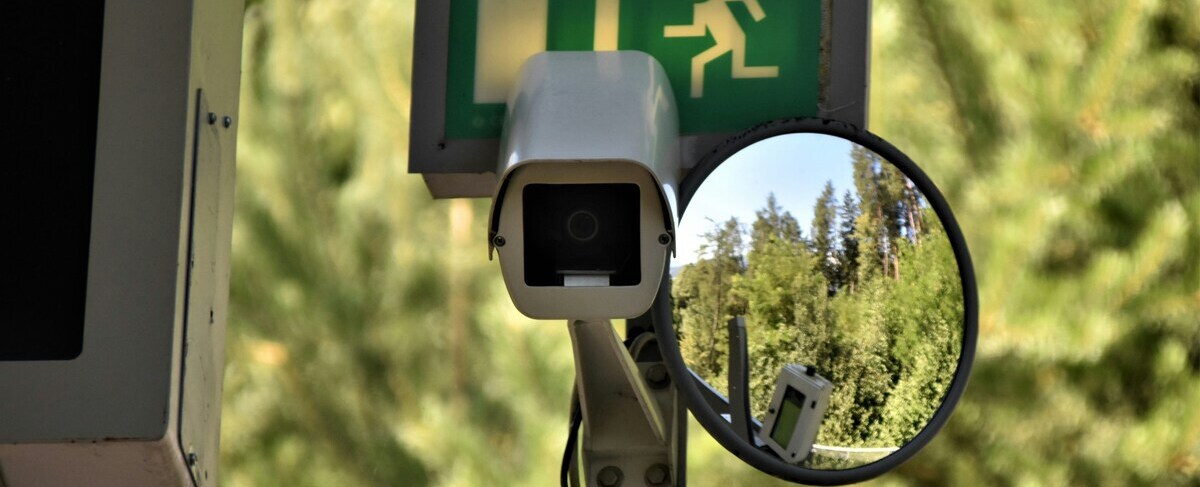
Multiple independent studies have evaluated red light camera programs over decades.
A large IIHS analysis comparing major cities with and without red light cameras found:
When camera programs were discontinued, the opposite effect appeared. In cities that shut down enforcement between 2010 and 2014, fatal red light running crash rates increased by 30% compared to expected levels.
CANADIAN SUCCESS STORIES
Between 2008 and 2014, Toronto Police recorded a 23% decrease in injuries and 40% decrease in fatal collisions at intersections with red light cameras. In Brampton, after installing 33 cameras, all collision types at those intersections dropped by 44.8%.
— Ontario Traffic Safety Reports
Traffic Safety Skeptic on TorontoMazda3 Forum:
“Red light cameras exist solely for money-hungry municipalities who put profit over traffic safety. Municipalities should focus on putting timers on every traffic light, especially intersections with red light cameras, to give drivers a clear indication of when to expect an amber.”
Some studies report a modest increase in rear-end collisions at camera sites. However, these crashes are typically far less severe than the side-impact collisions cameras help prevent. A Federal Highway Administration review found that economic and injury reductions from fewer right-angle crashes outweighed the costs of additional rear-end crashes.
As automatic emergency braking becomes standard in newer vehicles, researchers expect this trade-off to continue shrinking.
Red Light Camera Fines Across Canada
Red light camera fines vary significantly across Canadian provinces. Understanding the costs can help drivers appreciate the financial consequences of running red lights.
Province / City | Camera Fine | Demerit Points |
|---|---|---|
Ontario (Toronto, Ottawa) | $325 | None |
Alberta (Edmonton) | $388 | None |
Alberta (Calgary) | $405+ | None |
British Columbia | $167 | None |
Saskatchewan | $230 | None |
Quebec | $150+ | None |
New National Standard (Dec 2025) | $612+ | None |
| ⚠ NEW $612 CAMERA FINES STARTING DECEMBER 2025 Canadian drivers are being urged to stay alert as new automated traffic enforcement rules come into effect mid-December 2025, introducing significant increases to camera fines for speeding, red-light running, school zone violations, and improper turns. The changes are expected to impact millions of drivers nationwide. |
CAMERA VS. OFFICER-ISSUED TICKETS
Red light camera tickets are issued to the vehicle owner, not the driver, and carry no demerit points. However, if a police officer issues you a ticket for running a red light, you face the same $325+ fine PLUS 3 demerit points on your record, potential insurance increases, and a conviction on your driving history for three years.
— Ontario Highway Traffic Act
Practical Habits That Reduce Red Light Risk
Small behavioural shifts consistently reduce risk at signalized intersections.
For Drivers:
- ✓ Reduce speed well before intersections
- ✓ Maintain following distance to allow safe stopping
- ✓ Expect that another road user may misjudge timing
- ✓ Know where red light cameras are located in your city
- ✓ Watch for countdown timers, if you see the timer, slow down
For Pedestrians:
- ✓ Pause briefly before stepping off the curb
- ✓ Watch vehicle movement, not just signals
- ✓ Allow extra time during signal changes
These habits align with how people actually behave under pressure. They work because they leave room for human error.
A yellow light isn’t meant as a signal to speed up – it’s a warning that the light is about to turn red, and you should stop if it’s safe to do so.
Predictability Is What Saves Lives
Red light violations are rarely about ignoring rules. They are about moments of misjudgement under stress.
Across Alberta’s Capital Region, winter conditions, traffic density, and long commutes increase those moments. Understanding why they happen allows us to reduce harm without blame.
Intersection safety improves when behaviour becomes predictable. When drivers slow earlier. When pedestrians hesitate for a fraction of a second. When signals are treated as shared communication, not personal challenges.
We all pass through the same lights. The difference between a near-miss and a life-changing collision is often no more than a second of patience.